Understanding and Caring for Pets with Kidney Disease

Dr. Dan Jones
Medical Director, DVM
Understanding and Caring for Pets with Kidney Disease
Chronic kidney disease (CKD) is a common but serious condition that affects many pets, particularly as they age. At Skyway Animal Hospital in St. Petersburg, Florida, we know that a diagnosis of CKD can feel overwhelming for pet owners.
However, with early intervention, tailored veterinary care, and proactive management, pets with CKD can continue to enjoy a good quality of life for months or even years after diagnosis.
What Is Chronic Kidney Disease?
The kidneys perform vital functions:
- Filter waste products from the blood
- Regulate hydration and electrolyte balance
- Produce hormones that control blood pressure and red blood cell production
- Activate vitamin D for bone health
Chronic kidney disease occurs when the kidneys gradually lose their ability to perform these functions. Unlike acute kidney injury (which happens suddenly and may be reversible), CKD is progressive—meaning it worsens over time.
Who Gets Kidney Disease?
In Cats
CKD is extremely common in cats, with studies suggesting that over 30% of cats over age 15 have some degree of kidney disease. It's one of the leading causes of illness and death in senior cats.
In Dogs
While less common than in cats, CKD still affects many dogs, particularly:
- Senior dogs
- Certain breeds (Cocker Spaniels, Bull Terriers, English Cocker Spaniels, German Shepherds)
- Dogs with a history of kidney infections or stones
Causes of Kidney Disease
Many factors can contribute to CKD:
- Natural aging
- Chronic infections
- Toxin exposure
- Immune-mediated diseases
- Congenital defects
- Chronic dehydration
- High blood pressure
- Previous acute kidney injury
In many cases, the exact cause is never identified.
Signs and Symptoms
Early kidney disease often has no obvious symptoms. As the disease progresses, you may notice:
Early to Moderate Stage
- Increased thirst
- Increased urination
- Mild weight loss
- Decreased appetite
- Slightly dull coat
Later Stages
- Significant weight loss
- Vomiting
- Bad breath (often ammonia-like)
- Lethargy
- Dehydration despite drinking
- Poor coat quality
- Decreased urination (in advanced cases)
- Weakness
- Ulcers in the mouth
Diagnosis
We diagnose kidney disease through:
Blood Work
- BUN and Creatinine — Waste products that rise when kidneys aren't filtering properly
- SDMA — A more sensitive early marker of kidney function
- Phosphorus — Rises as kidney function declines
- Complete blood count — Checks for anemia
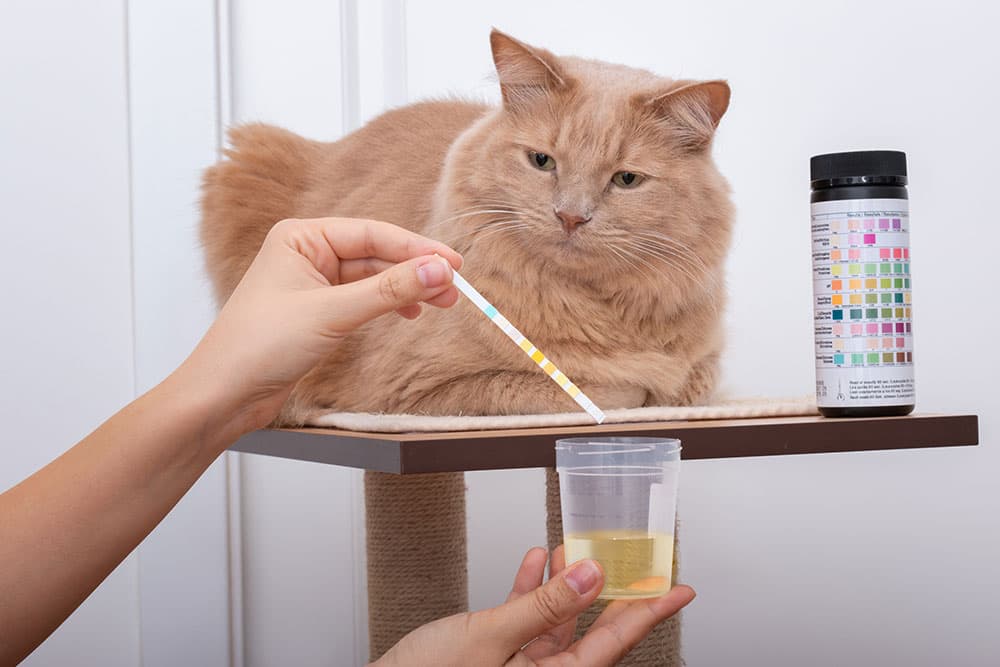
Urinalysis
- Urine concentration — Damaged kidneys can't concentrate urine properly
- Protein levels — Protein loss in urine indicates kidney damage
- Signs of infection
Blood Pressure
High blood pressure often accompanies and worsens kidney disease.
Imaging
X-rays and ultrasound can evaluate kidney size and structure.
Staging Kidney Disease
The International Renal Interest Society (IRIS) classifies CKD into four stages based on creatinine levels and other factors:
- Stage 1 — Mild; often no symptoms
- Stage 2 — Mild to moderate; symptoms may begin
- Stage 3 — Moderate to severe; clear symptoms present
- Stage 4 — Severe; significant illness
Knowing the stage helps us create an appropriate treatment plan and understand prognosis.
Treatment and Management
While CKD cannot be cured, it can often be managed effectively.
Dietary Management
Prescription kidney diets are a cornerstone of treatment:
- Reduced phosphorus content
- High-quality, moderate protein
- Added omega-3 fatty acids
- Enhanced palatability
- Added potassium and B vitamins
Transitioning to a kidney diet can significantly slow disease progression.
Hydration Support
Maintaining hydration is critical:
- Encouraging water intake
- Feeding wet food
- Subcutaneous fluids at home (we can teach you how)
Medications
Depending on your pet's specific needs:
- Phosphorus binders — Reduce phosphorus absorption
- Blood pressure medications — Protect the kidneys
- Anti-nausea medications — Improve appetite
- Potassium supplements — Replace lost potassium
- Appetite stimulants — For pets who won't eat
- Erythropoietin — For severe anemia
Regular Monitoring
Frequent rechecks help us:
- Track disease progression
- Adjust treatments as needed
- Catch complications early
- Maintain quality of life
Living with Kidney Disease
At Home Care
- Provide fresh water at all times
- Feed the prescribed diet consistently
- Give medications as directed
- Administer fluids if recommended
- Monitor appetite, water intake, and behavior
- Keep stress to a minimum
Quality of Life
Monitoring quality of life is essential. Consider:
- Is your pet eating and drinking?
- Are they comfortable?
- Do they still enjoy interactions with you?
- Are bad days outnumbering good days?
We can help you assess quality of life throughout the disease course.
Prognosis
The prognosis varies based on:
- Stage at diagnosis
- Response to treatment
- Underlying cause
- Presence of complications
Many pets with early-stage CKD live for years with good management. Even pets with more advanced disease can have quality time with appropriate care.
Prevention and Early Detection
While not all kidney disease can be prevented, you can help protect your pet:
- Keep your pet well-hydrated
- Avoid toxins (antifreeze, lilies for cats, certain medications)
- Maintain a healthy weight
- Schedule regular wellness exams with blood work
- Address urinary infections promptly
Early detection through routine screening allows for earlier intervention and better outcomes.
We're Here for You
A kidney disease diagnosis can feel overwhelming, but you're not alone. Our team at Skyway Animal Hospital is committed to helping you understand your pet's condition and creating a management plan that maintains their comfort and quality of life.
If you have questions about kidney disease or want to schedule a wellness screening for your pet, contact us today.
Trusted Resources
Early detection saves lives. Our diagnostic lab can screen for kidney disease with a simple blood panel, and our senior pet care program includes regular screenings for pets 7 and older. Request an appointment or call us at (727) 327-5141.
Skyway Animal Hospital 3258 5th Ave S, St. Petersburg, FL 33712 Phone: 727-327-5141