
Skip to main content
ACL & Orthopedic Surgery

ACL & Orthopedic Surgery

In-house ACL repair and orthopedic surgery—no specialty hospital required. Get your pet back on their feet at a fraction of the referral cost.

Schedule Appointment
Since 1961Trusted Care
4.9 ★Google Rating
ACL/cruciate ligament repair
In-house orthopedic surgery
Fraction of specialty cost
Full recovery support

What's Included

Every visit is comprehensive. Here's what you can expect when your pet comes in for acl & orthopedic surgery.

Orthopedic examination and lameness evaluation
Pre-surgical X-rays and diagnostics
Pre-anesthetic bloodwork
ACL/CCL stabilization surgery
Advanced anesthesia with continuous monitoring
Multimodal pain management protocol
Post-operative X-rays
Recovery plan with exercise restriction guidelines
Follow-up exams and suture removal
Physical rehabilitation guidance

What to Expect

We believe in transparency. Here's your step-by-step guide to your pet's visit.

1

Orthopedic Evaluation

The veterinarian examines your dog's knee stability, takes X-rays, and confirms the ACL tear. We discuss surgical options, expected outcomes, and costs.

2

Pre-Surgical Preparation

Bloodwork ensures your pet is healthy for anesthesia. We schedule surgery and provide pre-operative instructions including fasting requirements.

3

Surgery Day

Your dog receives pre-operative pain medication, individualized anesthesia, and continuous monitoring throughout the ACL repair procedure.

4

Recovery Phase

Strict exercise restriction for 8-12 weeks is critical. We provide a detailed week-by-week recovery plan, pain medication, and rehabilitation exercises.

5

Follow-Up & Rehabilitation

We monitor healing with follow-up exams and X-rays. Gradual return to activity begins around 8 weeks, with full recovery typically at 12-16 weeks.

Real Reviews

Trusted by Pet Parents

See what our community says about their experience at Skyway.

4.9(0+ reviews)

ACL & Orthopedic Surgery FAQ

Everything you need to know about acl & orthopedic surgery at Skyway Animal Hospital.

The cranial cruciate ligament (CCL)—equivalent to the ACL in humans—stabilizes the knee joint. When it tears, the knee becomes unstable, causing pain, lameness, and progressive arthritis. It's one of the most common orthopedic injuries in dogs, especially in medium to large breeds.

Common signs include sudden hind-leg lameness, holding the leg up, reluctance to bear weight, swelling around the knee, difficulty rising or sitting, and a "clicking" sound when walking. Some tears happen suddenly during play; others develop gradually over weeks.

In most cases, yes—especially for dogs over 30 pounds. Without surgery, the knee remains unstable, causing chronic pain, progressive arthritis, meniscal damage, and muscle wasting. The other knee is also at higher risk of injury when compensating for the affected leg.

We use proven extracapsular stabilization techniques (lateral suture) that provide excellent outcomes for most dogs. For specific cases, we may recommend referral for more advanced techniques like TPLO. We'll discuss the best option for your dog's size, age, and activity level.

ACL surgery at Skyway Animal Hospital costs significantly less than specialty referral hospitals—typically saving families $1,000-$3,000+. Our pricing includes diagnostics, surgery, anesthesia, pain management, and follow-up care. We provide a detailed estimate before proceeding.

Full recovery takes 12-16 weeks. The first 8 weeks require strict exercise restriction—short leash walks for bathroom only, no running, jumping, or stairs. Gradual return to normal activity begins around week 8-10 under veterinary guidance.

Re-injury of the repaired knee is uncommon when recovery guidelines are followed. However, about 40-60% of dogs that tear one ACL will eventually tear the other, usually within 1-2 years. Maintaining a healthy weight and controlled exercise helps reduce this risk.

We use multimodal pain management—starting before surgery and continuing through recovery. Your dog will go home with oral pain medications and anti-inflammatories. Most dogs are comfortable and bearing some weight within 1-2 days of surgery.

Large and giant breeds are most commonly affected: Labrador Retrievers, Golden Retrievers, Rottweilers, German Shepherds, Newfoundlands, and Pit Bulls. However, ACL tears can occur in any breed. Obesity, weekend-warrior activity patterns, and genetics are major risk factors.

Yes. While less common, small dogs can tear their ACL too. Small dogs sometimes respond to conservative management (rest, pain medication, weight management), but surgery often provides better long-term outcomes. We evaluate each case individually.

ACL surgery has a high success rate—approximately 85-90% of dogs return to normal or near-normal activity. Success depends on following the recovery plan strictly, maintaining a healthy weight, and completing the full rehabilitation period.

We accept CareCredit and other financing options to help manage the cost of surgery. We also provide detailed estimates before any procedure so you can plan ahead. Don't let cost delay treatment—untreated ACL tears worsen over time.

Ready to Book ACL & Orthopedic Surgery?

Contact us to schedule an appointment—we're here to help your pet.

Send Us a Message

For emergencies, please call us directly at (727) 327-5141

Your Privacy is Protected

We never share your information. HIPAA compliant.
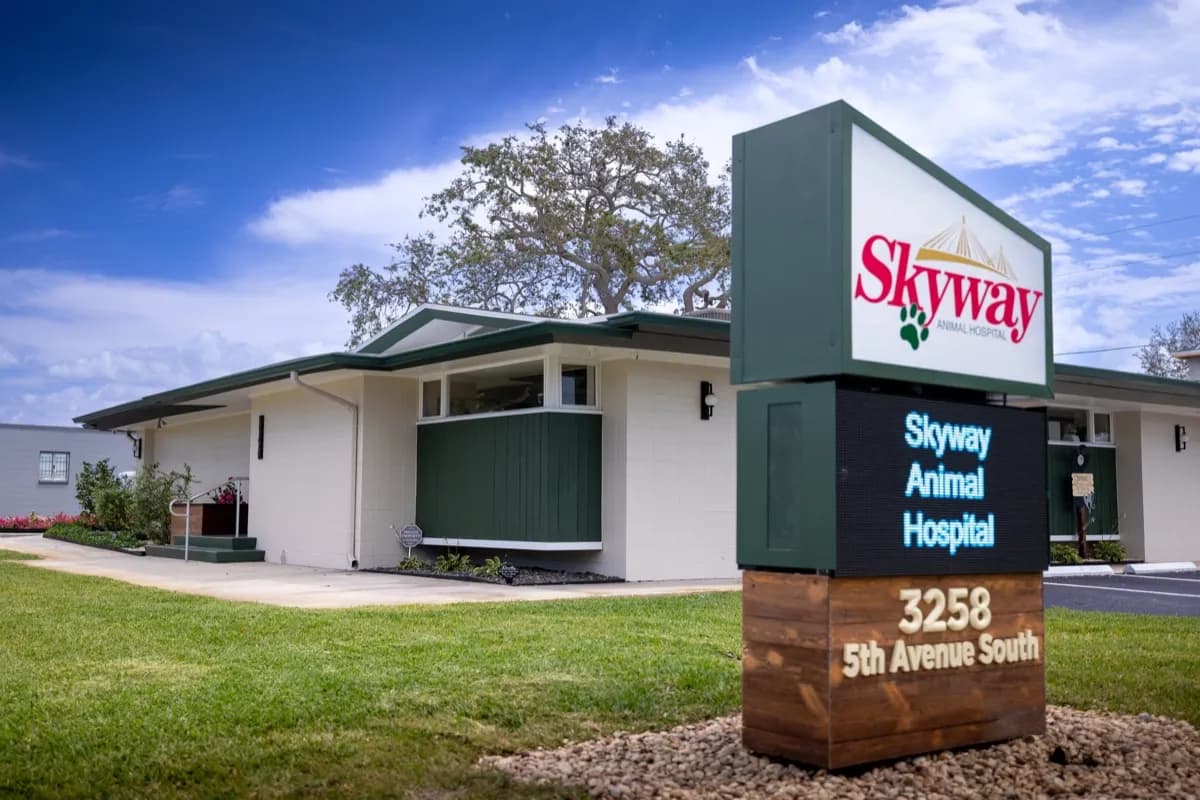
Skyway Animal Hospital exterior - located at 3258 5th Ave S, St. Petersburg

Call Us

Speak with our friendly team

Call Now

Email Us

Send us a message anytime

Send Email

Visit Us

3258 5th Avenue South

Get Directions

Hours

Mon-Fri 7:30 AM – 6:00 PM

View All Hours