If your dog has been shaking their head, scratching at their ears, or giving off an unusual smell, there is a good chance an ear infection is the culprit. Ear infections are one of the most common reasons dogs visit the veterinarian, and here in St. Petersburg, our warm and humid climate makes them even more prevalent.
At Skyway Animal Hospital, we diagnose and treat ear infections every week. While rarely life-threatening, ear infections cause significant discomfort, and left untreated, they can lead to chronic problems, hearing loss, or inner ear damage. Understanding the signs, causes, and treatment options will help you catch problems early and keep your dog comfortable.
Recognizing the Signs of an Ear Infection
Dogs are not always subtle about ear discomfort. Here are the signs to watch for:
- Head shaking — Frequent, vigorous head shaking is often the first sign owners notice.
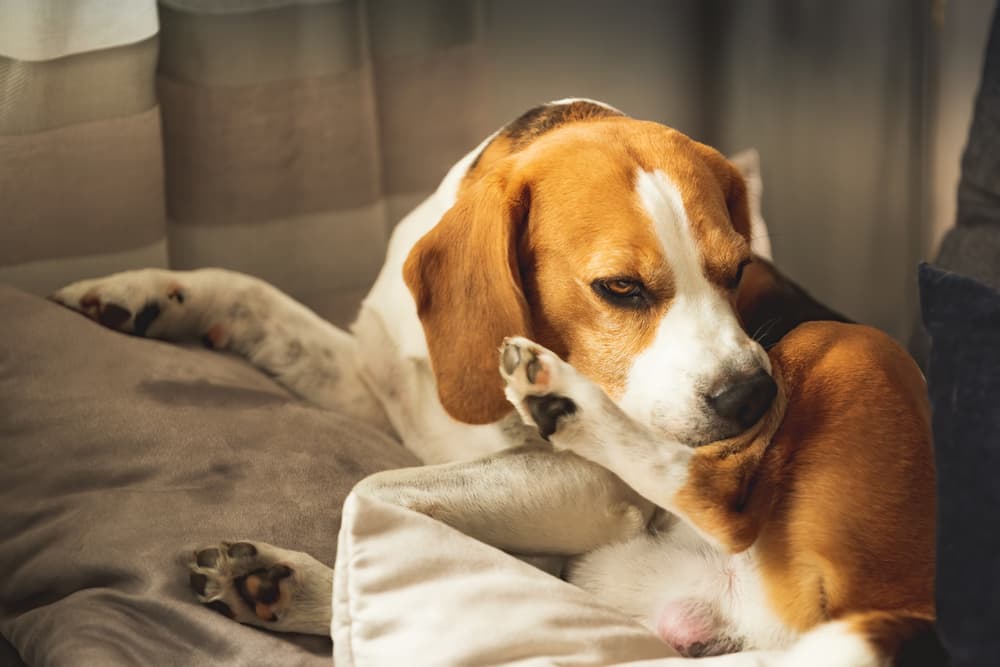
- Ear scratching — Persistent scratching at one or both ears, sometimes creating raw spots around the ear.
- Odor — A yeasty or foul smell coming from the ears. Healthy ears should not have a noticeable odor.
- Discharge — Brown, yellow, or bloody discharge in the ear canal.
- Redness and swelling — The inner ear flap and canal opening may appear inflamed or swollen.
- Pain and sensitivity — Your dog may pull away or whimper when you touch their ears.
- Head tilting — A persistent tilt toward the affected side suggests deeper involvement.
- Loss of balance — In severe cases, dogs may stumble, circle, or show dizziness.
- Behavior changes — Irritability, lethargy, or loss of appetite from ear pain.
If you notice any combination of these symptoms, schedule an examination. Ear infections rarely resolve without treatment and tend to worsen over time.
Types of Ear Infections
Not all ear infections are the same. The location of the infection within the ear determines its severity and treatment approach.
Otitis Externa (Outer Ear Infection)
The most common type, involving inflammation of the external ear canal. According to the Merck Veterinary Manual, otitis externa is the most straightforward to treat when caught early, with signs including redness, discharge, odor, and scratching.
Otitis Media (Middle Ear Infection)
When an outer ear infection goes untreated, it can spread past the eardrum into the middle ear. Otitis media is more painful and harder to treat. Dogs may show pronounced head tilting, increased pain, and reluctance to open their mouths due to the middle ear's proximity to the jaw joint.
Otitis Interna (Inner Ear Infection)
The most serious type, affecting structures responsible for balance and hearing. Dogs may show loss of balance, circling, nausea, abnormal eye movements, and hearing loss. Inner ear infections require aggressive treatment and sometimes hospitalization.
The progression from outer to middle to inner ear infection is why early treatment matters. What starts as mild discomfort can become a serious medical issue if left untreated.
What Causes Ear Infections in Dogs
Ear infections are almost never a standalone problem. An underlying factor typically creates the conditions for bacteria or yeast to overgrow, and understanding the root cause is essential for successful treatment.
Allergies: The Most Common Underlying Cause
Environmental allergies (atopic dermatitis) and food allergies are behind the majority of chronic ear infections. Allergies inflame the skin throughout the body, including the ear canal. When that skin produces excess moisture and wax, it creates a perfect environment for infection.
If your dog gets ear infections more than once or twice a year, allergies are almost certainly involved. Many of these dogs also have itchy paws, belly irritation, or other skin problems — all pointing to an allergic root cause.
Moisture and Swimming
Water trapped in the ear canal after swimming, bathing, or rain creates a warm, moist environment where bacteria and yeast thrive. This is especially relevant for St. Petersburg dogs who swim in Tampa Bay, neighborhood pools, or local beaches.
Ear Anatomy in Floppy-Eared Breeds
Dogs with long, floppy ears have reduced airflow to the ear canal. The ear flap traps moisture and warmth inside, making floppy-eared breeds natural candidates for ear infections — an effect amplified by Florida's humidity.
Yeast Overgrowth
Malassezia yeast naturally lives on your dog's skin in small amounts. When conditions change — due to allergies, moisture, or a compromised immune system — yeast populations explode, causing thick, brown, waxy discharge with a distinctive musty odor.
Bacterial Infections
Bacteria such as Staphylococcus and Pseudomonas commonly cause ear infections, producing yellow or greenish discharge and typically more pain than yeast infections. Pseudomonas in particular can be stubborn and may require culture-guided antibiotic selection.
Other Contributing Factors
- Ear mites — More common in puppies, causing intense itching and dark, crumbly discharge resembling coffee grounds.
- Foreign bodies — Grass seeds, foxtails, or debris lodged in the ear canal.
- Hormonal conditions — Hypothyroidism can predispose dogs to ear infections by altering skin health.
- Excessive ear cleaning — Over-cleaning can strip the ear of its natural protective barrier.
- Polyps or growths — Abnormal tissue in the ear canal can obstruct drainage.
Why Chronic Ear Infections Are Usually an Allergy Problem
When we see a dog for their third, fourth, or fifth ear infection, the ear infection itself is a symptom — not the disease. The underlying problem is almost always an allergy causing chronic inflammation in the ear canal. Treating the ear infection without addressing the allergy is like mopping a floor while the faucet is still running.
Dogs with allergy-driven ear infections often show a seasonal pattern (worse when pollen counts are high) or a year-round pattern (suggesting food allergies or dust mites). At Skyway Animal Hospital, when we see recurring ear infections, we always discuss allergy testing and management as part of the long-term plan.
How We Diagnose Ear Infections
A thorough diagnosis goes beyond simply looking in the ear. Our approach includes several steps to identify what is happening and why.
Otoscopic Examination
Using an otoscope, we examine the ear canal and eardrum to assess inflammation, check for foreign bodies or masses, and confirm the eardrum is intact. This matters because some ear medications should not be used if the eardrum is ruptured.
Ear Cytology
We collect a sample of the discharge and examine it under a microscope. Cytology tells us whether the infection involves yeast, bacteria, or both — directly guiding our medication choices. A yeast infection needs antifungals, a bacterial infection needs antibiotics, and a mixed infection needs both.
Culture and Sensitivity Testing
For severe or treatment-resistant infections, we may submit a sample for bacterial culture and sensitivity testing. This identifies the specific bacteria involved and which antibiotics will be most effective — particularly important for stubborn Pseudomonas infections that do not respond to first-line medications.
Depending on the situation, we may also recommend allergy testing (for recurring infections), imaging (to evaluate the middle and inner ear), or bloodwork (to check for conditions like hypothyroidism).
Treatment: Getting Your Dog Relief
Treatment depends on the type and severity of the infection, what organisms are involved, and whether there is an underlying condition driving the problem.
Professional Ear Cleaning
The first step is often a thorough professional cleaning. When the canal is packed with debris, medications cannot reach infected tissue. We may perform deep cleaning under sedation for dogs with painful ears or significant buildup.
Topical Ear Medications
Most outer ear infections are treated with topical medications containing antifungals (for yeast), antibiotics (for bacteria), and anti-inflammatory corticosteroids to reduce swelling and pain. We will show you how to properly apply ear medication at home, including how to massage the base of the ear to distribute medication through the canal.
Oral Medications
For more serious infections, we may prescribe oral antibiotics, antifungals, or anti-inflammatory medications. Middle and inner ear infections almost always require systemic medication in addition to topical treatment.
Treating Underlying Allergies
For dogs with allergy-driven ear infections, long-term management may include allergy testing and immunotherapy, prescription medications (such as Apoquel or Cytopoint), dietary elimination trials for food allergies, and ongoing monitoring to catch flare-ups early. Addressing the allergy is key to breaking the cycle of recurring infections.
Home Ear Care and Prevention Tips
A few simple habits can significantly reduce your dog's risk of ear infections.
Routine Ear Checks
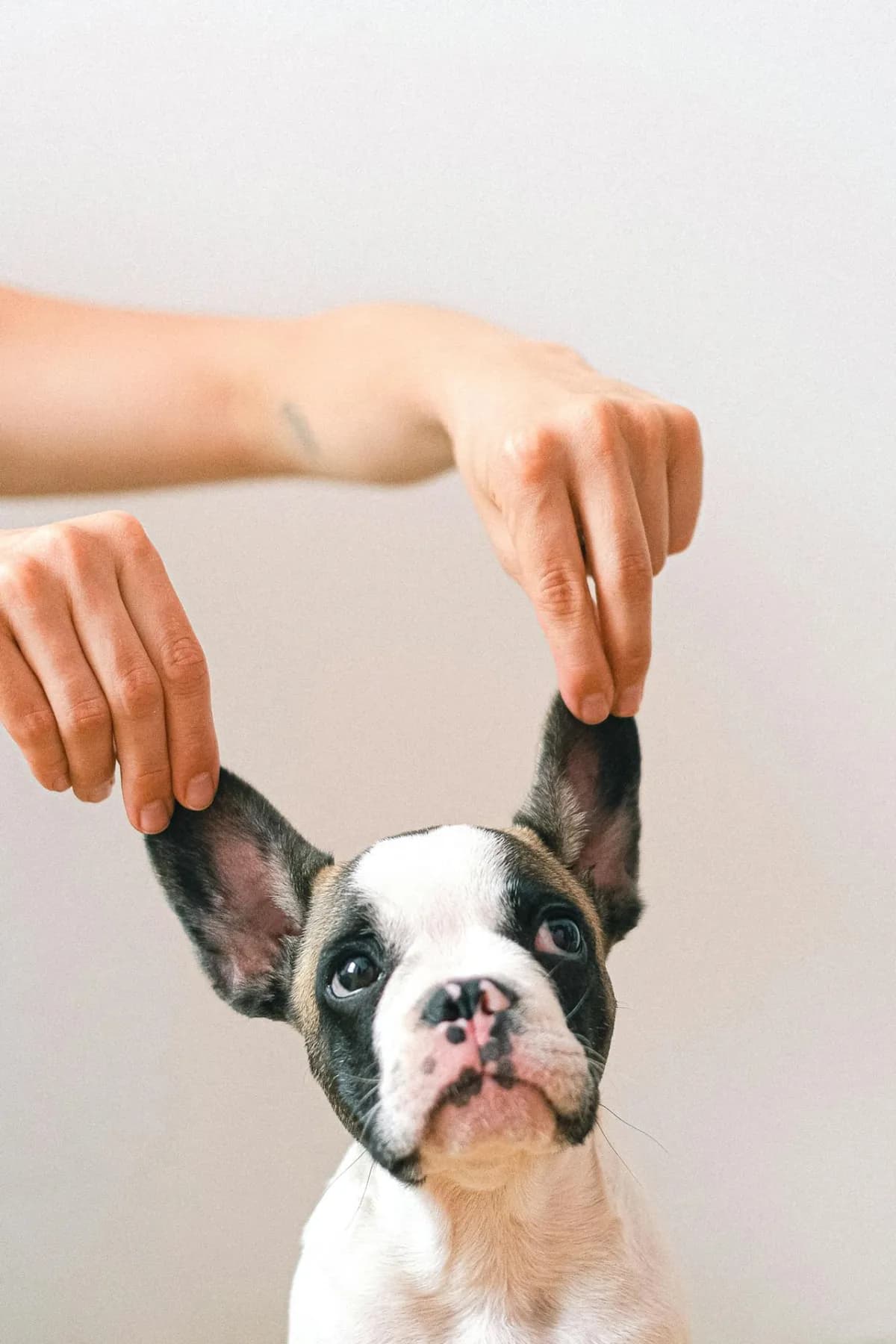
Check your dog's ears once a week. Healthy ears should be pale pink, clean, and odor-free. Catching changes early — extra wax, a faint smell, slight redness — gives you the chance to act before a full infection develops.
Safe Ear Cleaning
Clean your dog's ears with a veterinarian-recommended solution — typically every one to two weeks for infection-prone dogs, and after every swim or bath:
- Lift the ear flap and fill the canal with solution.
- Massage the base of the ear for 20 to 30 seconds (you should hear a squishing sound).
- Let your dog shake their head to bring debris up.
- Wipe with a cotton ball or soft gauze.
- Never insert cotton swabs — this pushes debris deeper and can damage the eardrum.
After Swimming and Bathing
Dry your dog's ears thoroughly after water exposure. For frequent swimmers, use a drying ear solution after each swim.
Keep Ears Trimmed and Stay Consistent
For breeds with hairy ear canals, keeping hair trimmed improves airflow. If your dog is on allergy medication or immunotherapy, staying consistent with the treatment plan is the most effective way to prevent ear infections from returning.
Living in Florida: Why Ear Infections Are More Common Here
St. Petersburg's subtropical climate creates ideal conditions for ear infections in dogs. High humidity, warm temperatures, and frequent water exposure — swimming at the beach, neighborhood pools, afternoon rain showers — mean Florida dogs face a higher baseline risk than dogs in drier, cooler climates.
Humidity alone keeps moisture levels elevated inside the ear canal even without swimming. Dogs here may need more frequent ear cleaning and monitoring than dogs in arid regions. Our warm climate also supports year-round allergen activity — pollen, mold, and dust mites are present in Florida every month, so there is no "off-season" for allergy-driven ear infections.
Breeds Most Prone to Ear Infections
While any dog can develop an ear infection, certain breeds are predisposed due to their ear anatomy, skin type, or allergy tendencies:
- Labrador Retrievers — Love water, floppy ears, and allergy-prone. A trifecta for ear infection risk.
- Cocker Spaniels — Long, heavy ear flaps and narrow canals make them one of the most susceptible breeds.
- Golden Retrievers — Floppy ears, love swimming, and allergy-prone.
- Bulldogs (English and French) — Narrow ear canals and significant allergy tendencies.
- Basset Hounds — Extremely long ears that trap moisture and restrict airflow.
- Shar-Peis — Narrow ear canals combined with skin fold issues.
- Poodles and Poodle mixes — Hair growth inside the canal traps moisture and debris.
- German Shepherds — Erect ears but highly allergy-prone, which leads to ear infections.
If you own one of these breeds, proactive ear care and regular check-ups are especially important.
When to See the Veterinarian
Schedule an appointment if your dog shows head shaking or scratching lasting more than a day, any ear discharge or odor, visible redness, pain when the ear is touched, head tilting, loss of balance, or recurring infections (two or more per year).
Do not attempt to treat an ear infection at home without a diagnosis. Using the wrong medication — especially if the eardrum is ruptured — can cause serious harm, and treating for yeast when the problem is bacterial (or vice versa) will only allow the infection to worsen.
Trusted Resources
Is your dog dealing with ear problems? At Skyway Animal Hospital in St. Petersburg, we diagnose and treat ear infections and underlying allergies. Visit our skin & allergy treatment page or request an appointment. Call (727) 327-5141.