
Keep Calm and Wag On: Tackling Anxiety in Pets
Recognizing Signs of Stress and Anxiety in Your Pets
Understanding pet anxiety awareness has improved significantly in recent years. Early recognition of these signs is vital for maintaining the well-being of dogs and cats. This guide is designed to equip pet owners with the knowledge to identify anxiety and help their furry companions find relief.
At Skyway Animal Hospital, we understand how distressing it can be to see your pet struggling with anxiety. The good news is that with proper identification and management, most anxious pets can live happy, comfortable lives.
Understanding Pet Anxiety
Anxiety in pets is more than just occasional nervousness—it's a persistent state of apprehension that can significantly impact your pet's quality of life and even their physical health.
Common Types of Anxiety
Separation Anxiety The most common form, occurring when pets become distressed when left alone or separated from their primary caretakers.
Noise Phobias Fear of loud sounds such as thunderstorms, fireworks, construction, or traffic.
Social Anxiety Fear or discomfort around other animals or unfamiliar people.
Generalized Anxiety Ongoing anxiety that doesn't seem connected to a specific trigger.
Age-Related Anxiety Senior pets may develop anxiety as cognitive function declines.
Signs of Anxiety in Dogs
Behavioral Signs
- Pacing and restlessness
- Excessive barking or whining
- Destructive behavior (especially when alone)
- Attempts to escape
- Following you from room to room
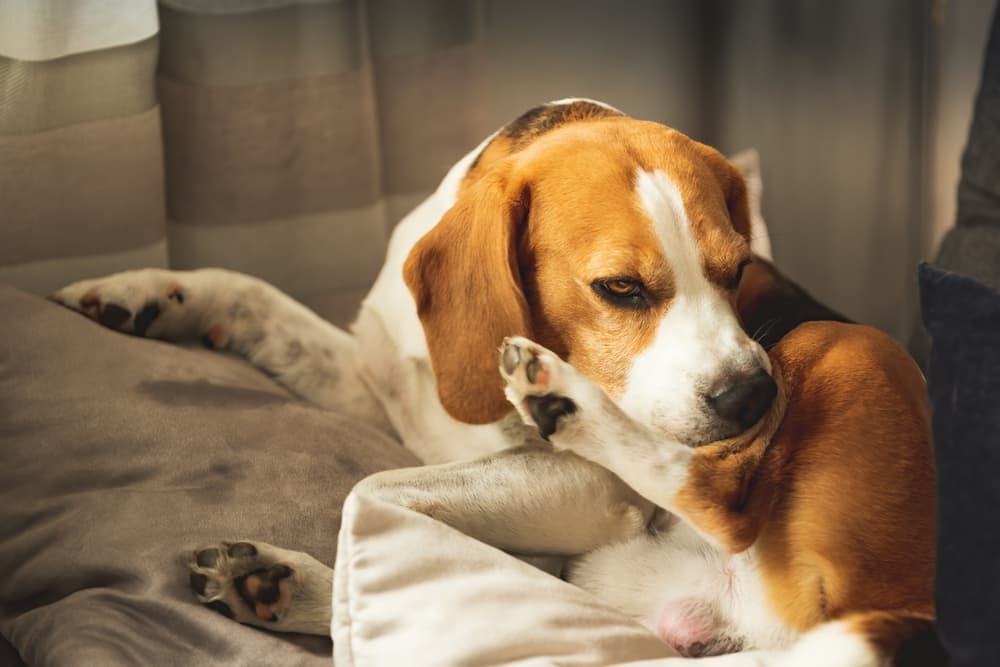
- Excessive licking or grooming
- Changes in appetite
- House soiling despite being house-trained
Physical Signs
- Panting when not hot or after minimal exertion
- Drooling
- Trembling or shaking
- Tucked tail
- Ears pinned back
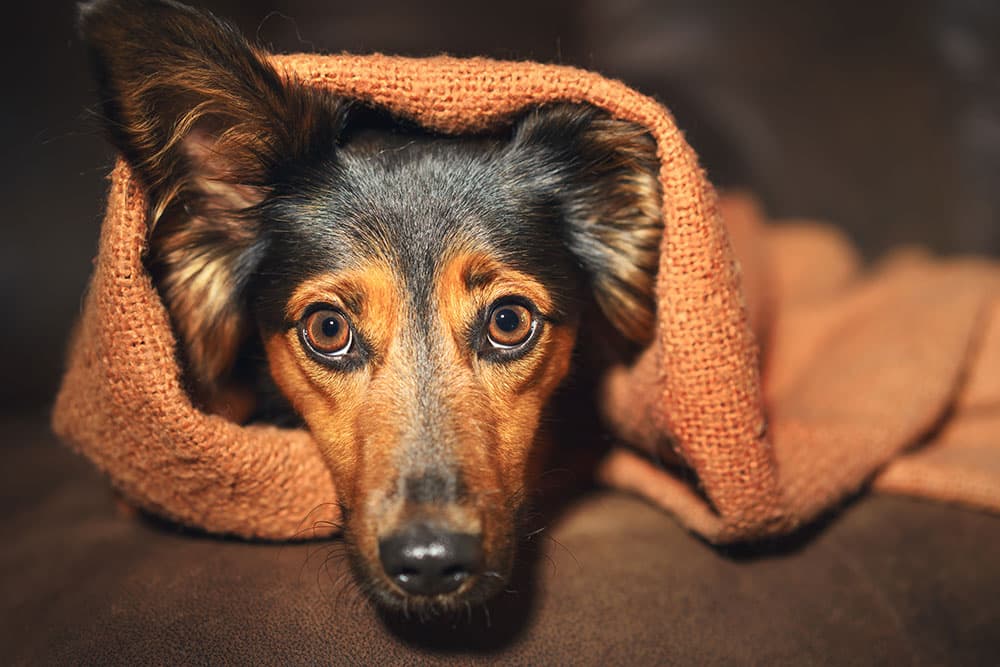
- Whale eye (showing whites of eyes)
- Yawning (when not tired)
- Lip licking
Signs of Anxiety in Cats
Cats often show anxiety differently than dogs:
Behavioral Signs
- Hiding or withdrawing
- Over-grooming (leading to hair loss or skin lesions)
- Changes in litter box habits
- Aggression
- Excessive vocalization
- Decreased appetite
- Loss of interest in play
Physical Signs
- Dilated pupils
- Flattened ears
- Tail tucked or thrashing
- Crouched body posture
- Rapid breathing
- Excessive shedding during stressful situations
Common Causes of Pet Anxiety
Environmental Factors
- Changes in household (new baby, new pet, moving)
- Changes in routine
- Lack of socialization as a young animal
- Loud noises or chaotic environments
- Previous negative experiences
Medical Factors
Sometimes what looks like anxiety has an underlying medical cause:
- Pain or illness
- Thyroid imbalances
- Cognitive dysfunction in senior pets
- Vision or hearing loss
This is why a veterinary evaluation is important for any pet showing anxiety symptoms.
Breed Predisposition
Some breeds are more prone to anxiety:
- Dogs: Herding breeds, Labrador Retrievers, Cocker Spaniels, German Shepherds
- Cats: Siamese, Burmese, and other high-energy breeds
Treatment Approaches
Managing anxiety typically involves a multi-faceted approach.
Environmental Management
Create Safe Spaces
- Provide a quiet retreat (crate, bed, or room)
- Use calming pheromone diffusers (Adaptil for dogs, Feliway for cats)
- Play calming music or white noise
Reduce Triggers
- Close blinds during storms
- Create a predictable routine
- Minimize exposure to known stressors when possible
Behavioral Modification
Desensitization Gradual, controlled exposure to anxiety triggers at low levels, slowly increasing over time.
Counter-Conditioning Pairing anxiety triggers with positive experiences (treats, play) to change the emotional response.
Training Basic obedience training can increase confidence and give anxious dogs something positive to focus on.
Natural Supplements
Several supplements may help reduce anxiety:
- L-theanine
- Casein-based supplements
- CBD products (veterinary-formulated)
- Calming treats and chews
Always consult with us before starting any supplement.
Prescription Medications
For moderate to severe anxiety, medication can be transformative:
- Daily anxiety medications (fluoxetine, sertraline)
- Situational medications (trazodone, gabapentin, sileo)
- Combination approaches
Medication works best when combined with behavioral modification—it's not a replacement for training and management.
Anxiety Wraps and Tools
- Thunder shirts (pressure wraps)
- Calming caps (for dogs with visual triggers)
- Pheromone collars
- Interactive toys and puzzles for mental stimulation
Managing Separation Anxiety
Separation anxiety requires specific strategies:
- Practice short departures — Start with seconds and gradually increase
- Make departures low-key — Don't create an emotional goodbye
- Provide enrichment — Puzzle feeders, stuffed Kongs, safe chew toys
- Consider daycare or pet sitters — For severe cases during treatment
- Never punish — Punishing anxiety behaviors makes them worse
When to Seek Help
Contact us if your pet:
- Shows anxiety that affects their daily life
- Has self-injurious behavior (over-grooming, self-biting)
- Is destructive when alone
- Shows sudden changes in behavior
- Has anxiety that seems to be worsening
The Road to a Calmer Pet
Treating anxiety takes time and patience. Most pets show improvement within weeks to months of starting a comprehensive treatment plan, but setbacks are normal.
Working closely with your veterinary team and, in some cases, a veterinary behaviorist, can help you develop the most effective approach for your individual pet.
We're Here to Help
If your pet is struggling with anxiety, you don't have to navigate it alone. Our team at Skyway Animal Hospital can help identify triggers, rule out medical causes, and develop a treatment plan tailored to your pet's specific needs.
Contact us to schedule an appointment and take the first step toward a calmer, happier pet.
Anxiety affects your pet's health and quality of life. During a wellness exam, we can discuss behavioral concerns and explore solutions including environmental changes, supplements, and when needed, medication. Request an appointment or call us at (727) 327-5141.
Skyway Animal Hospital 3258 5th Ave S, St. Petersburg, FL 33712 Phone: 727-327-5141