
Effective Strategies for Your Pet's Urinary Health
Effective Strategies to Prevent Urinary Tract Infections in Pets
Urinary Tract Infections (UTIs) can be painful and disruptive for pets, often leading to discomfort, frequent urination, and other complications. At Skyway Animal Hospital in St. Petersburg, Florida, we emphasize proactive pet care, helping owners prevent UTIs before they become serious issues.
Understanding the causes, recognizing warning signs, and implementing preventive strategies can help keep your pet's urinary system healthy.
Understanding the Urinary System
Your pet's urinary system includes:
- Kidneys — Filter waste from the blood
- Ureters — Tubes connecting kidneys to bladder
- Bladder — Stores urine
- Urethra — Tube that carries urine out of the body
Problems can occur in any part of this system, though the bladder and urethra are most commonly affected.
Common Urinary Problems in Pets
Urinary Tract Infections (UTIs)
Bacterial infections of the bladder are common, especially in female dogs. Cats get true bacterial UTIs less frequently but can have similar symptoms from other conditions.
Bladder Stones
Mineral crystals can form stones in the bladder, causing pain, bloody urine, and potentially life-threatening blockages.
Feline Lower Urinary Tract Disease (FLUTD)
A collection of conditions in cats that cause similar symptoms:
- Inflammation without infection
- Crystals or stones
- Urethral plugs
- Behavioral issues
Urinary Blockage
A complete blockage of the urethra is a medical emergency. Male cats are particularly at risk due to their narrow urethra.
Warning Signs of Urinary Problems
In Dogs
- Frequent urination or attempts to urinate
- Straining to urinate
- Blood in urine
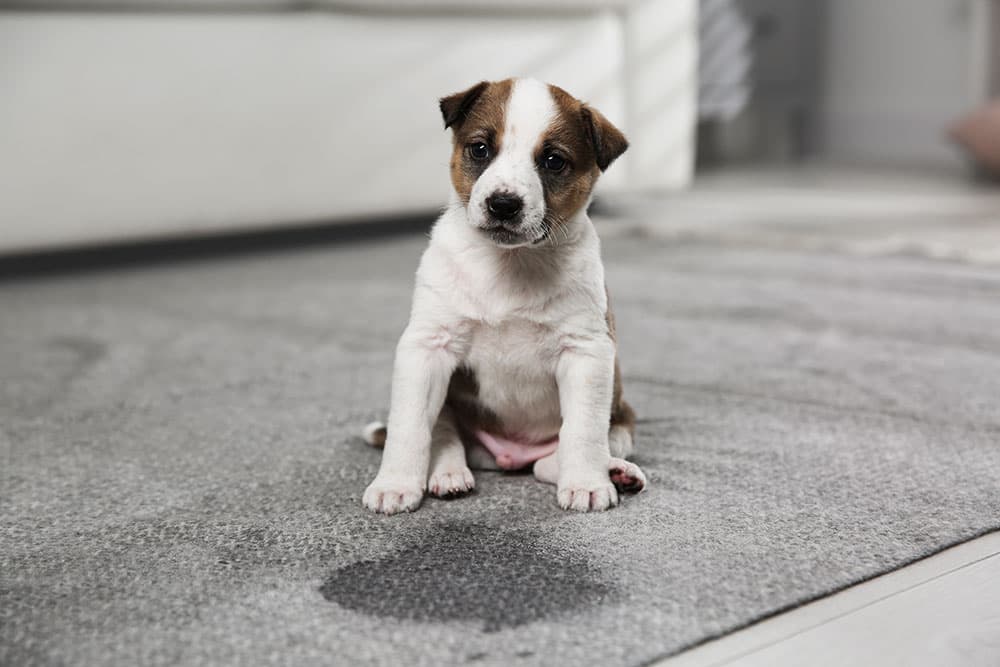
- Accidents in the house (in previously house-trained dogs)
- Licking the genital area
- Strong odor to urine
- Crying or whimpering during urination
In Cats
- Frequent trips to the litter box
- Straining in the box with little output
- Urinating outside the litter box
- Blood in urine
- Excessive licking of genital area
- Crying during urination
- Emergency: Inability to urinate at all (especially male cats)
Risk Factors
Female Dogs
- Anatomy makes bacteria more likely to enter the urinary tract
- Spayed females may have lower estrogen, affecting urinary tissue health
Male Cats
- Narrow urethra increases blockage risk
- Neutered males at highest risk
Other Factors
- Diabetes and other endocrine diseases
- Kidney disease
- Obesity
- Holding urine for extended periods
- Poor water intake
- Certain diets
- Anatomical abnormalities
Prevention Strategies
Hydration Is Key
Encouraging water intake is the single most important preventive measure:
- Provide fresh, clean water daily
- Use multiple water stations
- Consider a pet water fountain (moving water encourages drinking)
- Add water to dry food
- Offer ice cubes as treats
- Include wet food in the diet
Appropriate Diet
Nutrition plays a significant role in urinary health:
- Feed a balanced, high-quality diet
- For pets with a history of urinary problems, therapeutic diets may be recommended
- Avoid excessive mineral content (ask us about appropriate foods)
- Maintain a consistent feeding schedule
Regular Bathroom Breaks
For Dogs:
- Provide frequent opportunities to urinate
- Avoid making your dog hold urine for extended periods
- Maintain consistent potty schedules
For Cats:
- Keep litter boxes clean (scoop daily, full change weekly)
- Provide one box per cat plus one extra
- Use unscented, comfortable litter
- Place boxes in quiet, accessible locations
Maintain Healthy Weight
Obesity increases the risk of urinary problems. Keep your pet at an appropriate weight through:
- Proper portion control
- Regular exercise
- Avoiding excessive treats
Hygiene and Grooming
- Keep the genital area clean and trimmed (especially in long-haired breeds)
- Address any skin folds that may trap moisture and bacteria
When to See the Vet
Schedule an appointment if you notice:
- Any changes in urination habits
- Blood in urine
- Signs of discomfort during urination
- Accidents in house-trained pets
- Excessive licking of genital area
Seek emergency care immediately if:
- Your pet (especially male cat) cannot urinate at all
- Your pet is straining and crying with no urine production
- Your pet is vomiting and unable to urinate
- Your pet is lethargic and unable to urinate
Urinary blockage can be fatal within 24-48 hours without treatment.
Diagnosis and Treatment
Diagnostic Testing
We may recommend:
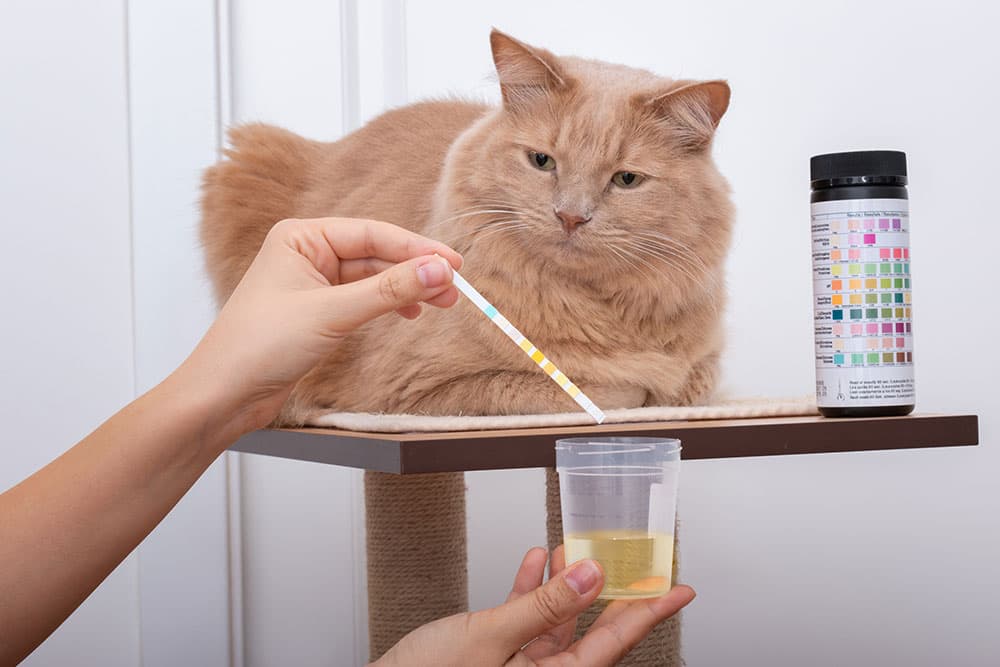
- Urinalysis — Examines urine for bacteria, crystals, blood
- Urine culture — Identifies specific bacteria and best antibiotic
- Blood work — Checks kidney function and overall health
- X-rays or ultrasound — Looks for stones, tumors, abnormalities
Treatment Options
Depending on the diagnosis:
- Antibiotics for bacterial infections
- Dietary management for crystals and stones
- Pain management
- Anti-inflammatory medications
- Increased fluid therapy
- Surgery for stones or blockages
- Stress management for stress-related FLUTD
Long-Term Management
Pets who have had urinary problems often benefit from:
- Therapeutic diets designed for urinary health
- Regular monitoring with urinalysis
- Environmental enrichment (especially for cats)
- Stress reduction strategies
- Ongoing attention to hydration
Prevention Is the Best Medicine
While not all urinary problems can be prevented, many can be avoided or minimized with proper care. Regular veterinary check-ups, appropriate diet, adequate hydration, and attention to your pet's bathroom habits can go a long way toward keeping their urinary system healthy.
If you have questions about your pet's urinary health or want to discuss preventive strategies, contact us to schedule an appointment.
Urinary issues require prompt diagnosis. Our in-house laboratory provides fast urinalysis and bloodwork results, so we can start treatment the same day. Schedule a wellness exam to catch problems early. Request an appointment or call us at (727) 327-5141.
Skyway Animal Hospital 3258 5th Ave S, St. Petersburg, FL 33712 Phone: 727-327-5141