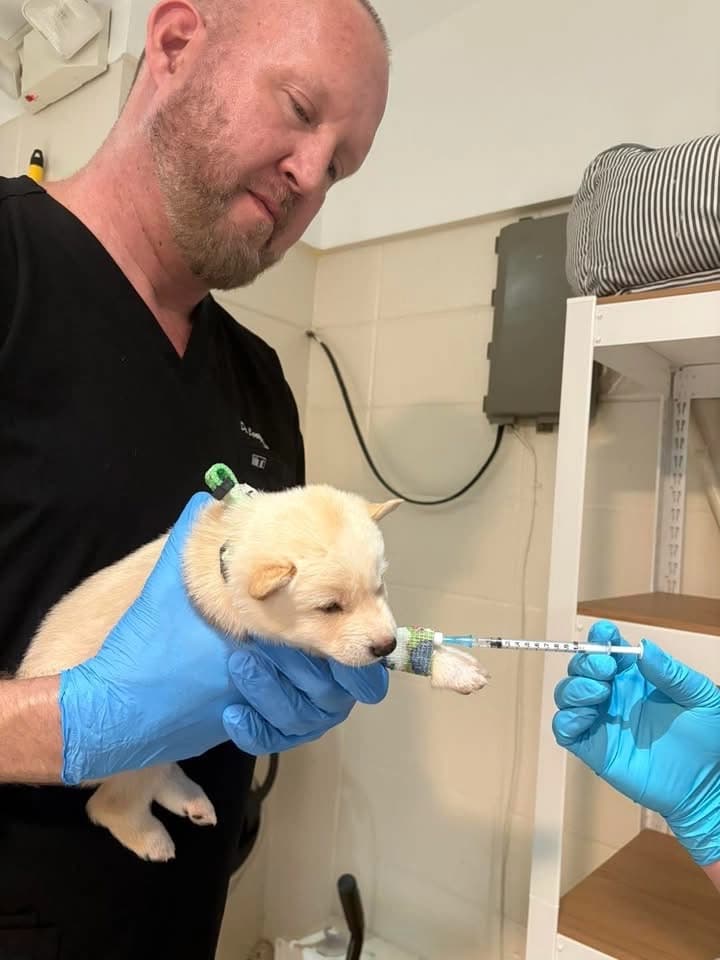
Your Guide to Pet Emergencies: Caring for Puppies and Kittens

Dr. Shannon Dalene
DVM
Your Guide to Pet Emergencies: Caring for Puppies and Kittens
Understanding Urgent Pet Emergencies
When it comes to puppies and kittens, emergencies can happen in an instant. Recognizing early warning signs and knowing when to seek veterinary care can make all the difference in your pet's recovery.
At Skyway Animal Hospital, we are committed to providing pet owners with the knowledge they need to keep their young companions safe. Young animals are particularly vulnerable because their immune systems are still developing and they have less physical reserve than adult pets.
Why Young Pets Are at Higher Risk
Puppies and kittens face unique vulnerabilities:
- Immature immune systems — Less able to fight infections
- Small body size — Can become dehydrated or hypoglycemic quickly
- Curious nature — More likely to eat things they shouldn't
- Developing organs — May not handle toxins or illness as well
- Incomplete vaccinations — The AVMA emphasizes that unvaccinated young pets face a higher risk of infectious diseases
What might be a minor issue in an adult pet can quickly become life-threatening in a puppy or kitten.
Emergency Signs in Puppies and Kittens
Seek Immediate Care For:
Difficulty Breathing
- Open-mouth breathing (especially in kittens)
- Blue or pale gums
- Extreme effort to breathe
- Choking or gagging
Severe Vomiting or Diarrhea
- Multiple episodes in a short time
- Blood in vomit or stool
- Inability to keep water down
- Signs of dehydration
Signs of Poisoning
- Vomiting after eating something suspicious
- Tremors or seizures
- Drooling excessively
- Collapse or extreme lethargy
Trauma
- Hit by a car
- Dropped or fallen from height
- Attacked by another animal
- Any known injury
Collapse or Extreme Lethargy
- Unresponsive or barely responsive
- Unable to stand or walk
- "Floppy" or limp body
Seizures
- Uncontrolled shaking or convulsions
- Loss of consciousness
- Paddling legs
Straining to Urinate
- Especially in male kittens
- Crying in the litter box
- Frequent attempts with little output
Bloated Abdomen
- Distended, hard belly
- Pain when touched
- Restlessness combined with trying to vomit
Common Puppy Emergencies
Parvovirus
This highly contagious and often deadly virus causes:
- Severe vomiting
- Bloody diarrhea
- Lethargy
- Loss of appetite
- Rapid dehydration
Puppies with parvo need immediate intensive care. As the AAHA Canine Life Stage Guidelines recommend, prevention through vaccination is critical.
Hypoglycemia (Low Blood Sugar)
Small breed puppies are particularly prone to dangerous drops in blood sugar. Signs include:
- Weakness or wobbling
- Trembling
- Confusion
- Seizures
- Collapse
If you suspect hypoglycemia, rub a small amount of corn syrup or honey on your puppy's gums and get to the vet immediately.
Intestinal Parasites
Heavy parasite loads can cause:
- Vomiting (sometimes visible worms)
- Diarrhea
- Pot-bellied appearance
- Failure to thrive
- Anemia (pale gums)
Foreign Body Ingestion
Puppies eat everything! Dangerous items include:
- Socks, toys, strings
- Bones and rawhides
- Coins, batteries
- Medications
- Toxic foods (chocolate, xylitol, grapes)
Signs of obstruction include vomiting, loss of appetite, and abdominal pain.
Common Kitten Emergencies
Upper Respiratory Infections
Kittens with "kitty colds" can become seriously ill:
- Discharge from eyes and nose
- Sneezing
- Congestion
- Refusing to eat
- Fever
Young kittens can decline rapidly without treatment.
Urinary Blockage (Male Kittens)
A blocked male kitten is a medical emergency:
- Straining in the litter box
- Crying out in pain
- Licking genital area
- Vomiting
- Lethargy
Without treatment, this can be fatal within 24-48 hours.
Fading Kitten Syndrome
Very young kittens (under 8 weeks) can decline rapidly:
- Weakness
- Not nursing
- Low body temperature
- Failure to gain weight
This requires immediate intervention.
Panleukopenia (Feline Distemper)
This severe viral disease causes:
- Vomiting
- Severe diarrhea
- Lethargy
- Rapid decline
Like parvo in puppies, this is often fatal without aggressive treatment.
What to Do in an Emergency
Before You Leave Home
- Stay calm — Your pet can sense your stress
- Call ahead — Let us know you're coming so we can prepare
- Handle carefully — Injured animals may bite; wrap in a towel if needed
- Bring any evidence — Packaging from suspected toxins, vomit samples
- Keep your pet warm — Especially important for small puppies and kittens
What NOT to Do
- Don't give any medications without veterinary guidance
- Don't induce vomiting unless specifically instructed
- Don't wait to "see if it gets better" with serious symptoms
- Don't assume something is minor because your pet is young and "should be healthy"
When to Call Us
If you're unsure whether something is an emergency, call us. We'd rather reassure you that everything is fine than have you wait too long on a serious problem.
Always call or come in immediately for:
- Any symptoms listed above
- Your puppy or kitten not eating for more than 12 hours
- Lethargy that doesn't improve
- Any sudden change in behavior or condition
- Known ingestion of toxins or foreign objects
Prevention Tips
Keep Young Pets Safe
- Puppy-proof and kitten-proof your home
- Keep medications, chemicals, and toxic foods secured
- Supervise playtime with toys
- Don't leave small objects where curious mouths can find them
- Keep toilet lids down
- Secure trash cans
Stay Current on Veterinary Care
- Complete the vaccination series on schedule
- Keep up with deworming protocols
- Maintain flea and tick prevention
- Schedule regular wellness exams
- Spay or neuter at the appropriate age
Our Emergency Services
At Skyway Animal Hospital, we understand that emergencies don't always happen during convenient hours. During our business hours, we're prepared to handle urgent cases. For after-hours emergencies, we can direct you to appropriate emergency facilities.
Learn more about our Emergency Services.
Your Young Pet's Health Matters
Puppies and kittens bring so much joy into our lives. By knowing the signs of an emergency and acting quickly, you can help ensure your young companion grows into a healthy adult.
If you have any concerns about your puppy or kitten, don't hesitate to contact us. We're here to help.
Trusted Resources
At Skyway Animal Hospital, we provide comprehensive puppy and kitten care including vaccinations to give your young pet the healthiest start in St. Petersburg. Request an appointment or call us at (727) 327-5141.
Skyway Animal Hospital 3258 5th Ave S, St. Petersburg, FL 33712 Phone: 727-327-5141