Happy Holidays with Your Pets: Simple Safety Tips

Dr. Shannon Dalene
DVM
Happy Holidays with Your Pets: Simple Safety Tips
The holiday season is a time of joy, celebration, and togetherness—and that includes our four-legged family members! However, the same festivities that bring us cheer can pose unexpected hazards for our pets.
At Skyway Animal Hospital, we want to help you enjoy a safe and happy holiday season with your furry companions. Here's what you need to know to keep them safe.
Dangerous Holiday Foods
The holidays bring delicious treats, but many can be dangerous for pets.
Foods to Keep Away from Pets
Chocolate All chocolate is toxic to pets, with dark chocolate and baking chocolate being the most dangerous. Signs of poisoning include vomiting, diarrhea, rapid breathing, and seizures.
Xylitol (Artificial Sweetener) Found in sugar-free candies, baked goods, and gum. Even small amounts can cause dangerous drops in blood sugar and liver failure in dogs.
Grapes and Raisins Can cause kidney failure in dogs. Keep fruitcakes, cookies with raisins, and grape dishes away from pets.
Onions, Garlic, Chives Damage red blood cells and can cause anemia. Common in holiday stuffings, gravies, and side dishes.
Macadamia Nuts Toxic to dogs, causing weakness, vomiting, tremors, and hyperthermia.
Alcohol Even small amounts can be dangerous. Be mindful of drinks left unattended and alcohol-containing desserts.
Fatty Foods Turkey skin, gravy, and rich foods can trigger pancreatitis—a painful and potentially serious condition.
Bones Cooked bones (especially poultry) can splinter and cause choking, blockages, or internal injuries.
Safe Holiday Treats
If you want to include pets in the feast:
- Plain, cooked turkey (no skin, bones, or seasoning)
- Plain vegetables (carrots, green beans)
- Small amounts of plain pumpkin (not pie filling)
- Pet-specific holiday treats
Decoration Dangers
Christmas Trees
- Secure the tree to prevent tipping
- Avoid tinsel—it can cause serious intestinal blockages if ingested
- Keep ornaments (especially glass ones) out of reach
- Cover the tree water—it can contain bacteria, fertilizers, or sap
- Use cord protectors on lights
Plants
Several popular holiday plants are toxic:
- Poinsettias — Mildly toxic, causing mouth irritation and stomach upset
- Mistletoe — Can cause serious cardiovascular problems
- Holly — Berries can cause vomiting and diarrhea
- Lilies — Extremely toxic to cats; even small amounts can cause kidney failure
- Amaryllis — Can cause vomiting, diarrhea, and tremors
Candles
- Never leave lit candles unattended around pets
- Consider flameless candles
- Watch for wagging tails near flames!
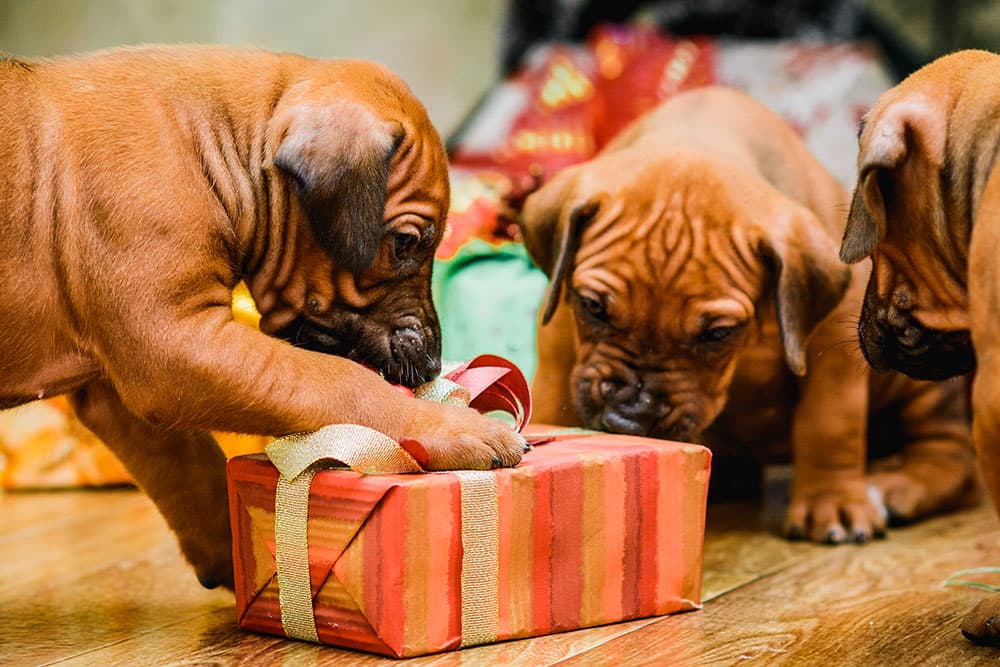
Gift Wrap and Ribbons
- Keep ribbons and strings away from cats (they love to eat them, causing blockages)
- Dispose of wrapping paper and packaging promptly
- Watch for small toy parts in packaging that pets might swallow
Managing Holiday Stress
The holidays can be overwhelming for pets.
Signs of Stress
- Hiding
- Changes in appetite
- Excessive grooming
- Digestive upset
- Aggression or unusual behavior
- Excessive vocalization
Creating a Safe Space
- Set up a quiet room away from the festivities
- Include their bed, water, and favorite toys
- Consider calming aids (pheromone diffusers, calming treats)
- Play soft music to mask party noise
Guests and Visitors
- Brief guests on pet safety rules (no feeding table scraps)
- Watch doors—pets can escape when guests come and go
- Give shy pets space and don't force interactions
- Keep your pet's routine as normal as possible
Winter Weather Safety
Even in Florida, winter weather considerations apply:
- Keep pets warm during cooler evenings
- Wipe paws after walks (antifreeze can be on sidewalks)
- Ensure adequate shelter for outdoor time
- Never leave pets in cold cars
Travel Considerations
If Taking Pets Along
- Secure pets in carriers or with seat belt harnesses
- Bring familiar items (blanket, toys)
- Pack their regular food
- Carry medical records and medications
- Update microchip information
- Research veterinary clinics at your destination
If Leaving Pets Behind
- Use a reputable pet sitter or boarding facility
- Leave detailed care instructions
- Provide emergency contact information
- Ensure vaccinations are current (required for boarding)
Emergency Preparedness
Keep these numbers handy:
- Our hospital: 727-327-5141
- ASPCA Animal Poison Control: 888-426-4435
- After-hours emergency clinic information
Signs Requiring Immediate Care
- Vomiting or diarrhea (especially if repeated or bloody)
- Difficulty breathing
- Seizures
- Collapse or extreme lethargy
- Known ingestion of toxic substances
- Swollen abdomen
- Refusal to eat or drink
Make the Holidays Happy for Everyone
With a little preparation and awareness, you and your pets can enjoy a safe, happy holiday season together. Include them in the celebration, but keep their safety in mind.
From all of us at Skyway Animal Hospital, we wish you and your furry family members a joyful and safe holiday season!
If you have questions or concerns about your pet this holiday season, contact us.
Holidays are fun—but pet emergencies don't take days off. If your pet gets into something they shouldn't, our urgent care team is here to help during business hours. Keep your pet protected year-round with regular wellness visits. Request an appointment or call us at (727) 327-5141.
Skyway Animal Hospital 3258 5th Ave S, St. Petersburg, FL 33712 Phone: 727-327-5141